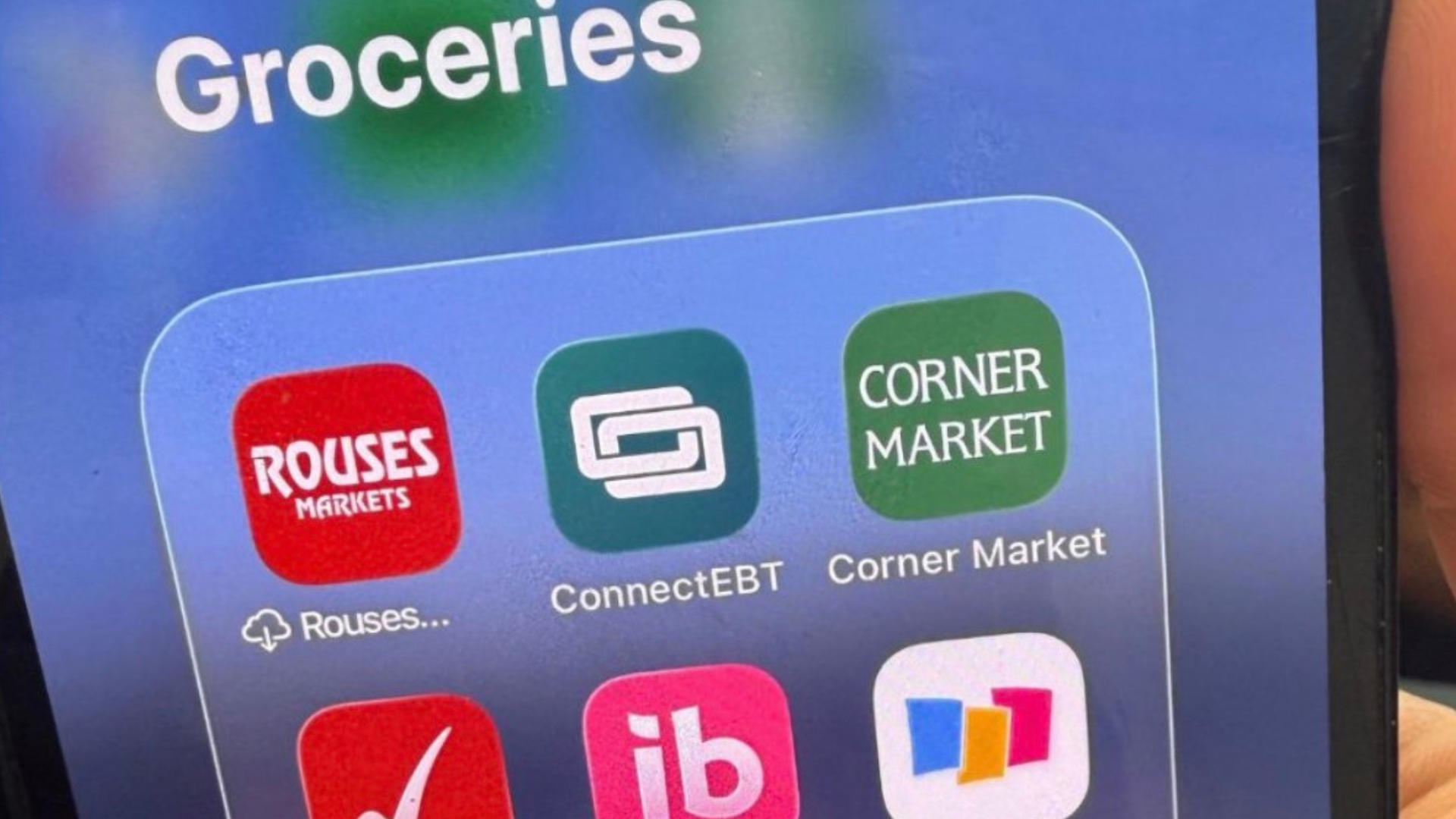
The Roy Howard Community Journalism Center’s “What Is True?” team investigated a claim that the new ConnectEBT mobile app and card lock feature will help protect SNAP recipients from “theft, fraud and card skimming.”
RESULT: Misleading, but mostly true

The new security controls can help prevent criminals from using stolen EBT card information, including information obtained through card skimming. However, the controls do not prevent a skimmer from capturing card information in the first place. To learn more, read the full fact-check below.
The Mississippi Department of Human Services launched the ConnectEBT mobile app and new card security features June 11. The changes also automatically block online and out-of-state SNAP transactions unless recipients change their settings.
MDHS said the controls were introduced “to help protect SNAP benefits from theft, fraud and card skimming.”
Recipients can choose to lock their cards completely, block online and out-of-state transactions or allow transactions everywhere. When a card is fully locked, MDHS says all EBT transactions are blocked until the recipient unlocks it. The agency recommends recipients lock their cards between purchases.
Those protections can help when criminals obtain a recipient’s card information through skimming.
Skimming occurs when criminals use unauthorized devices on card readers to capture information from a card’s magnetic stripe. The stolen information can then be used to create cloned cards or make unauthorized purchases.
A September 2025 Government Accountability Office report found that states replaced more than $320 million in stolen SNAP benefits for nearly 679,000 households between October 2022 and December 2024. GAO cautioned that the figure does not represent all SNAP theft and that available federal data did not show exactly where or how each theft occurred.
GAO specifically identified card locking and transaction restrictions as tools that can prevent unauthorized transactions. It also said thieves frequently use stolen SNAP account information to make purchases outside a recipient’s home state, meaning Mississippi’s default block on out-of-state transactions could stop some fraudulent purchases.
However, those controls do not eliminate the underlying vulnerability of magnetic-stripe cards. A skimming device can still capture card information when a recipient uses an affected payment terminal. The card lock instead provides protection by preventing transactions while the card is locked.
Federal officials have pointed to chip-enabled EBT cards as another way to address that vulnerability. GAO reported that most SNAP cards lack embedded microchips, which are standard on many commercial debit and credit cards and make card information more difficult to copy.
California became the first state to begin issuing chip-and-tap-enabled EBT cards in February 2025. By November 2025, California reported an 83% decline in overall EBT theftcompared with January 2024. However, state officials attributed that decline to several anti-fraud measures, including chip cards, card-locking tools, PIN resets, fraud-detection technology and law enforcement efforts — not chip cards alone. (Governor of California)
The ConnectEBT app therefore does provide Mississippi SNAP recipients with additional protection against fraud, including unauthorized transactions involving skimmed card information. But it does not make card skimming impossible.
Recipients can reduce their risk by keeping their EBT card locked when it is not being used, monitoring transactions and changing their PIN regularly, according to MDHS. (Mississippi Department of Human Services)
About “What Is True?”
The RHCJC “What Is True?” team of graduate investigators examines everything from viral online posts to local community rumors. If you have a question, submit it to the “What Is True?” inquiry form on the RHCJC website or call 855-IS-IT-TRU (855-474-8878).