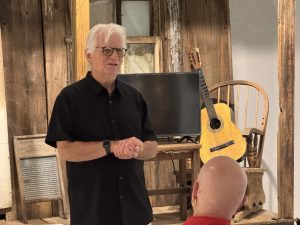
MERIDIAN, Miss. (Queen City Newsfeed) – Visitors to the Meridian Museum of Art had the opportunity to hear directly from two featured artists during an artist talk held June 30, offering insight into the inspiration, techniques and history behind the museum’s current summer exhibitions.
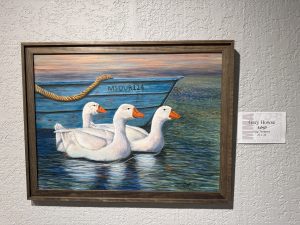
Photographer and sculptor Bill Steber discussed his decades-long exploration of Mississippi blues culture through his exhibition, Deep Roots: Evocations of the Mississippi Blues, while Mississippi artist Gary Howse shared the personal stories and artistic philosophy that shape his paintings and drawings.
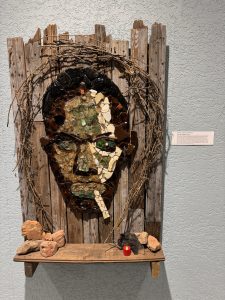
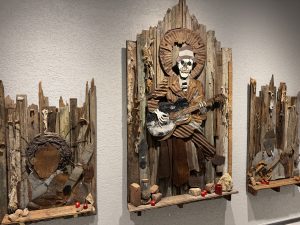
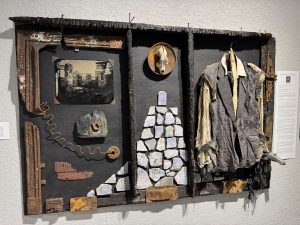
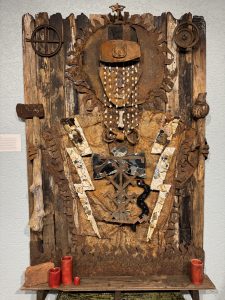
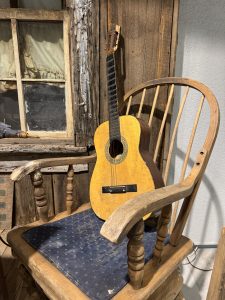
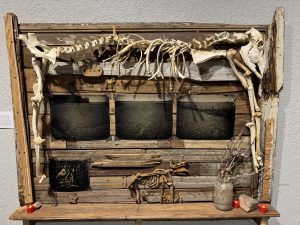
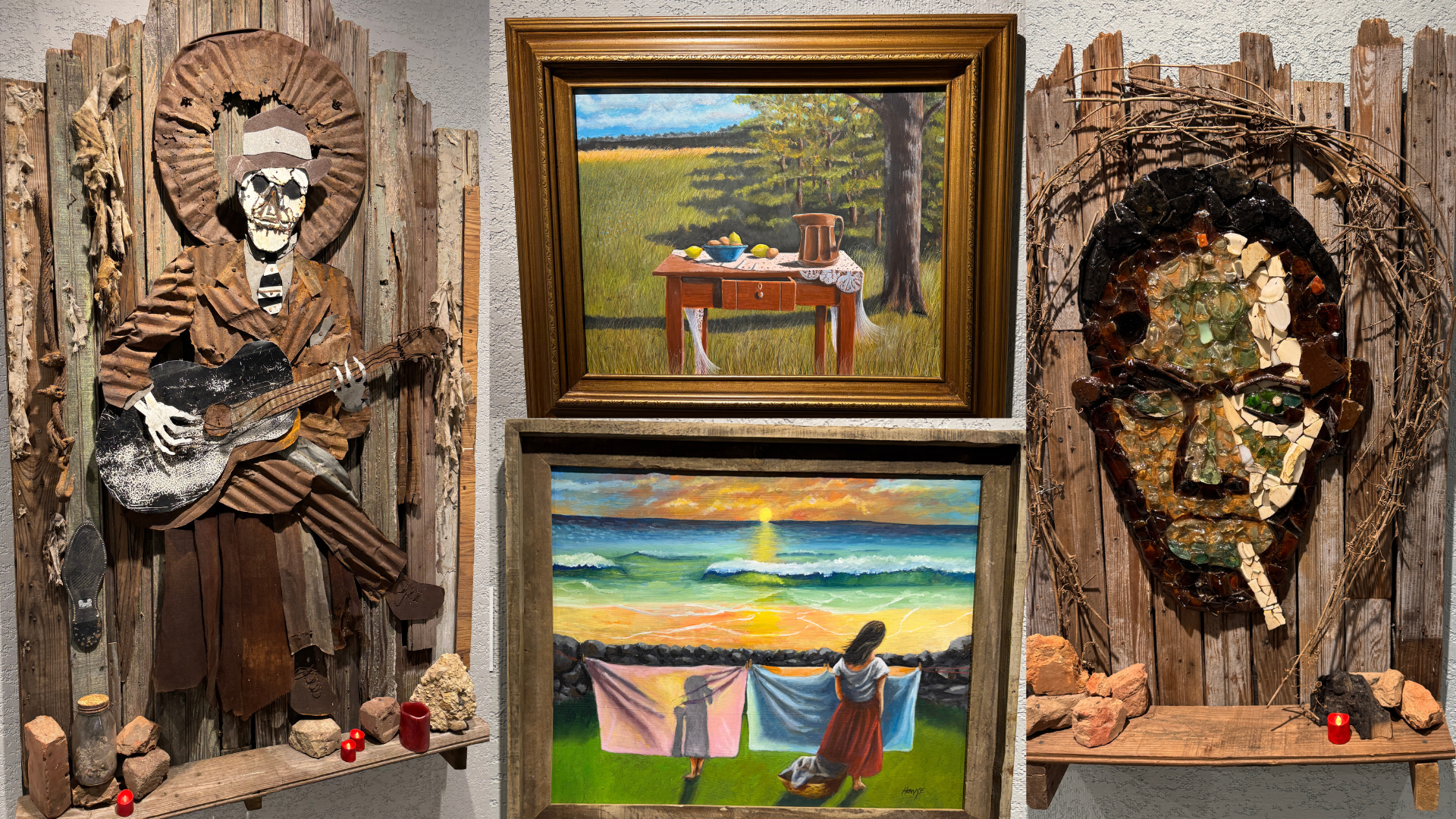
Steber, a Tennessee native whose Stones in My Pathway project has documented Mississippi blues culture for more than three decades, said one section of the exhibition focuses on blues legend Robert Johnson through original tintype photographs and sculptural installations created from materials collected at sites connected to Johnson’s life and death.
“I mostly spoke about what’s on the lower floor, which is a Robert Johnson in Mississippi exhibit,” Steber said. “It’s all composed of 11-by-14 original tintypes taken at all the various sites associated with Robert Johnson’s life and death.”
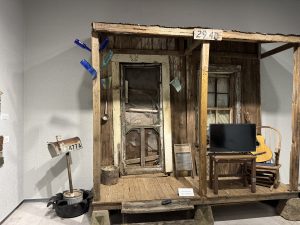
The exhibit also features a reconstructed sharecropper shack from the former Stovall Plantation, where blues musician Joe Willie Hollands lived for more than a century. Steber said he salvaged part of the structure before it was scheduled to be destroyed and transformed it into an installation intended to help visitors better understand the conditions that shaped blues history.
“The shack was set to be burned at the end of the harvest season a couple of years ago, and I was able to go and take one section of the front off and then reconfigure it into a whole porch so people can get a visceral sense of the lives lived primarily in the Delta during the history of sharecropping and Jim Crow which gave rise to the blues itself,” Steber said.
Throughout the exhibition, Steber incorporates bricks, wood, metal, soil and other artifacts collected from historically significant locations connected to Johnson’s life. He said he hopes visitors spend time not only reading the historical information but also reflecting on the materials themselves.
“I hope people interact with the materials knowing that the specific materials come from the places associated with the historical event,” Steber said. “It’s not only trying to do an artistic interpretation of the life and the legacy of a significant American blues artist, but do you feel that spiritual connection, especially to the African roots of this music and this culture.”
Steber said the museum’s upper gallery showcases photographs documenting more than 30 years of Mississippi blues traditions, from musicians and juke joints to religious practices, folk traditions and everyday life that influenced the development of the genre.
“It’s an attempt to try to say a comprehensive statement about the culture in about a 30-year period,” he said. “There’s a lot to see.”
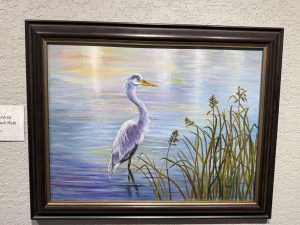
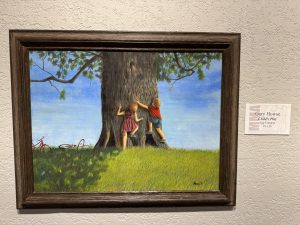
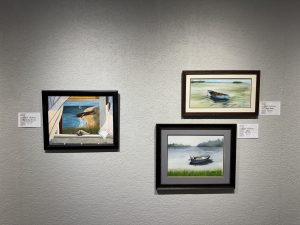
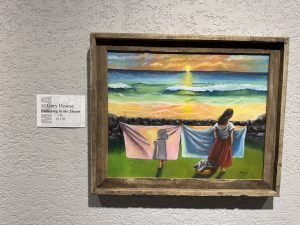
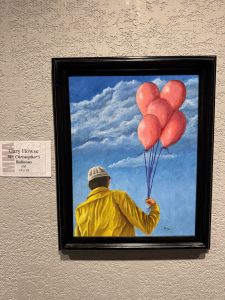
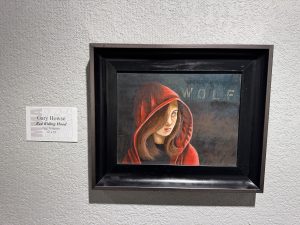
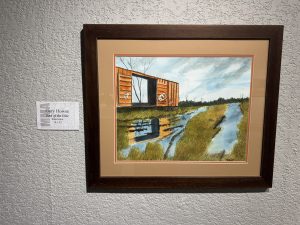
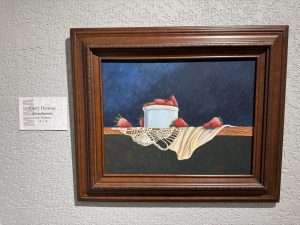
Joining Steber was Mississippi artist Gary Howse, whose work spans egg tempera, watercolor, oil, graphite and pen and ink.
Born and raised in Greenville, Howse earned an art degree from Berea College before completing a Master of Divinity at Memphis Theological Seminary. He later spent more than 20 years serving as a minister in the Mississippi Methodist Conference before retiring and continuing his work as an artist in Lauderdale, Ms.
Howse explained that many of his paintings are created using egg tempera, one of the oldest painting techniques.
“Egg tempera is a really old medium. It’s older than oil,” Howse said. “You take the yolk of an egg and powdered tempera and mix them together. Then you paint it on the panel.”
He said his interest in the medium began during college after studying American painter Andrew Wyeth, who frequently worked in egg tempera.
For Howse, the goal of his artwork is to reconnect viewers with meaningful memories and everyday experiences.
“I hope if they come and see something they go, ‘Oh, I remember that,’ or ‘That brings me joy,'” Howse said. “If the viewer looks at my work and thinks that, it’s an accomplishment.”
When asked what advice he would offer young artists, Howse encouraged persistence.
“I would say, don’t give up,” he said. “Do it over and over and over again. If you mess up, look for how you correct that, then go forward with that.”
He also encouraged young people to spend more time observing the world around them.
“I think they need to get out and look,” Howse said. “Get away from the phone and iPads and look to see what’s around them. There are amazing things going on around them, especially in nature.”
According to the Meridian Museum of Art, the exhibition also includes ceramic works by artist Stephen Phillips.
Museum officials thanked community members who attended the artist talk and said the exhibition featuring works by Steber, Howse and Phillips will remain on display through the end of July.