Millions of dollars in federal welfare funds were paid to nonprofit childcare providers in Mississippi without tracking daily attendance or verifying program outcomes, according to a new report released by the Mississippi Office of the State Auditor.
The report found that nonprofits receiving Temporary Assistance for Needy Families (TANF) funds were paid a fixed amount regardless of how often children attended the programs. Some nonprofits received full funding even when fewer than half of the children they committed to serve attended each month, auditors said.
In fiscal year 2024, the nonprofits reviewed in the report spent nearly $11 million in state TANF funds to provide childcare services to low-income families. Payments from the Mississippi Department of Human Services were based on whether childcare was offered, not on the number of children who attended, the report said.
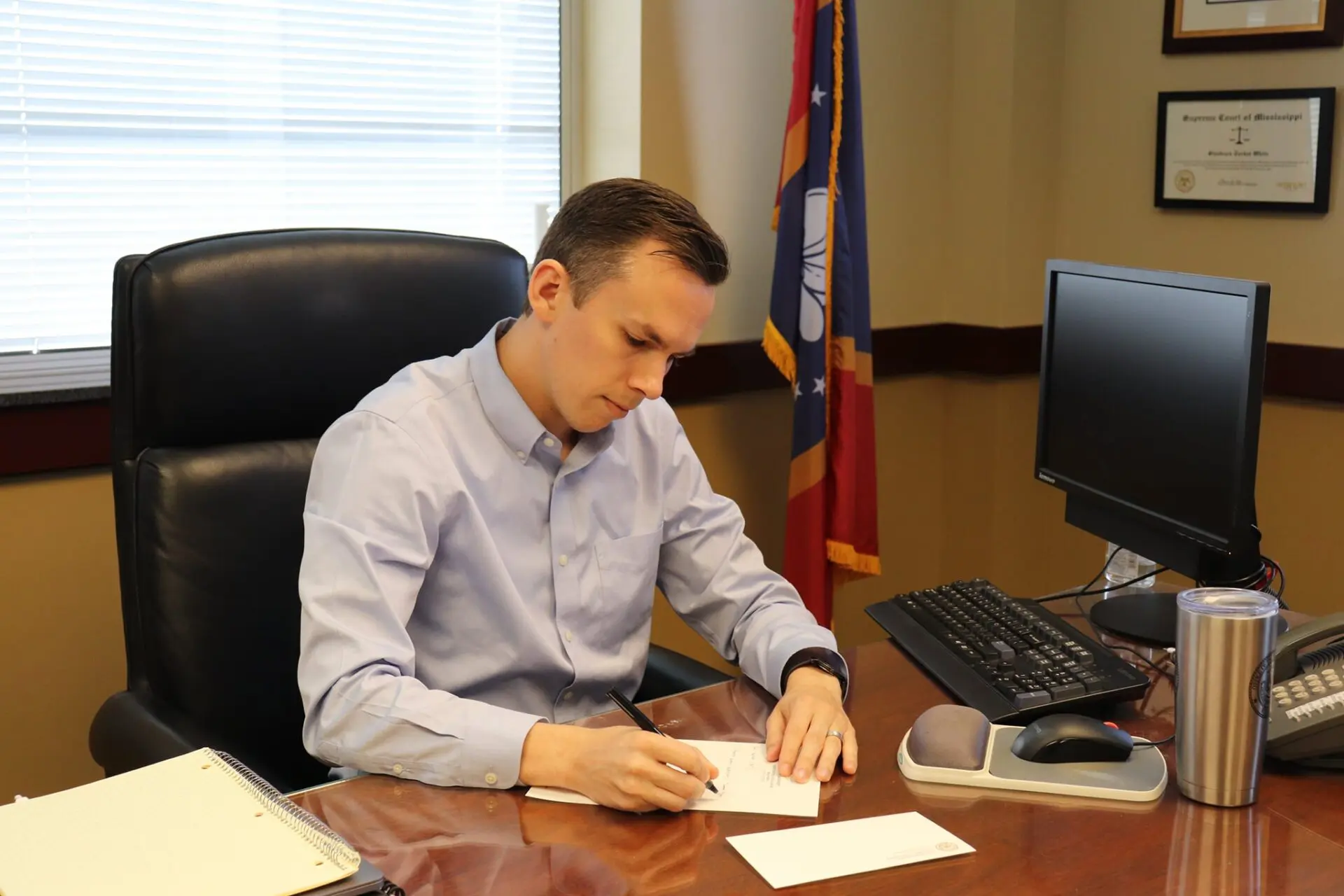
State Auditor Shad White said the lack of oversight raises concerns about how taxpayer dollars are being used.
“The childcare fraud scandal in Minnesota has shown just how easy it is for nonprofits to receive government funds intended to help our poorest children and then light that money on fire,” White said. “It’s critical that Mississippi has effective oversight on childcare spending so we don’t repeat the mistakes we’ve seen in other states.”
Auditors also found that while MDHS collected participant data from the nonprofits, the information contained errors, including duplicate entries, misspelled names and incorrect addresses. MDHS did not require the nonprofits to submit daily attendance records, the report said.
The Auditor’s Office also attempted to assess whether children who attended the programs showed measurable benefits. Although grant recipients were required to collect outcome data related to literacy and teen pregnancy prevention, auditors said MDHS did not consistently verify whether programs met the minimum outcome requirements set by the state.
White said stronger accountability is needed to ensure funds reach children who need them.
“Like most Mississippians, I pay for my own children’s childcare,” White said. “If taxpayer dollars are going to serve low-income children, then the state needs to ensure that the money goes as far as it can and that kids are actually attending these centers.”
The report is the first in a planned series examining taxpayer-funded childcare programs in Mississippi. The full report is available on the State Auditor’s website under the “Reports” section by searching “Afterschool care.”