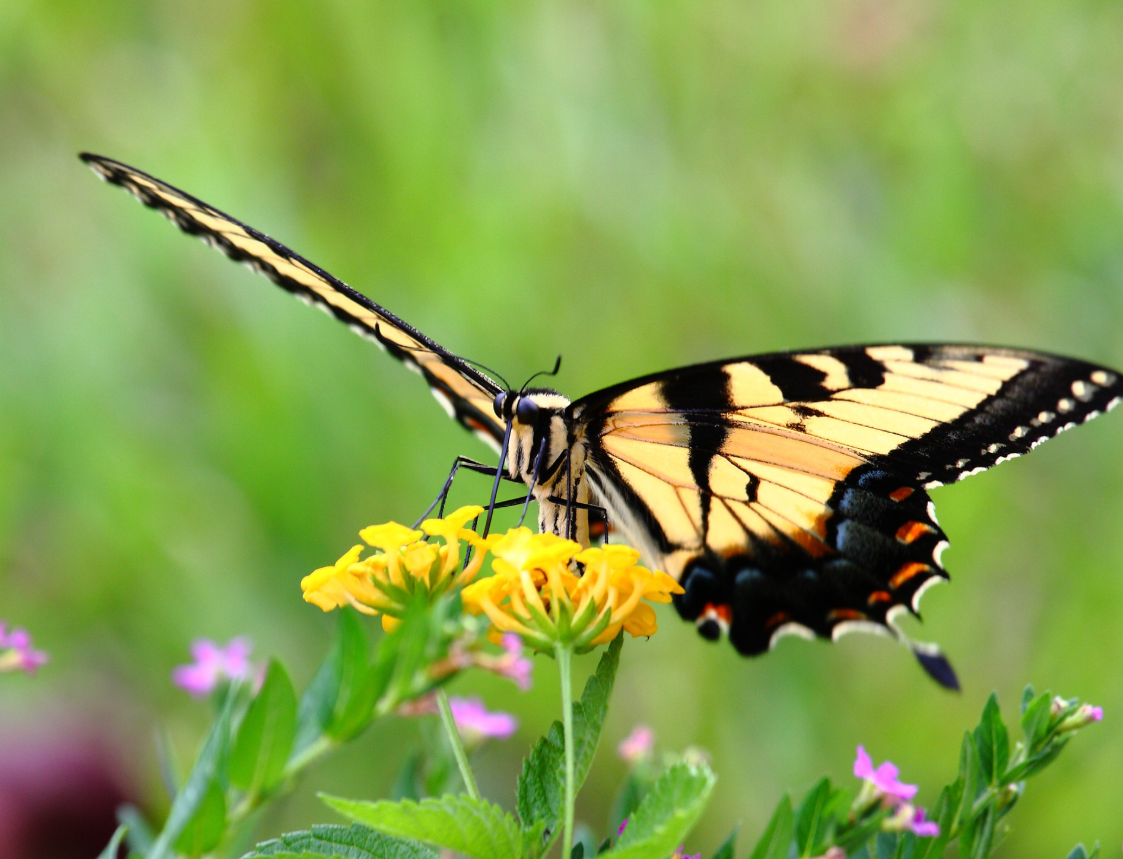
The Museum of Natural Science and local conservation groups are highlighting the vital role these creatures play in keeping our environment—and our food—thriving.
Why Pollinators Are Essential
Did you know that pollinators are biodiversity boosters? Pollinators help native grasses, wildflowers, shrubs, and trees reproduce—supporting a wide range of wildlife and building resilient ecosystems.
They are also food system guardians. About 80 % of flowering plants and one-third of food crops depend on animal pollinators. Without them, many fruits, vegetables, and nuts would disappear.
Events & Education
Pollinator Day at the Mississippi Museum of Natural Science featured hands-on learning for families about protecting pollinators in everyday life. The museum and partners continue to offer gardening workshops, habitat building, and community plantings to support our pollinator populations at home and school.
What You Can Do This Week

If you want to help make a difference, plant native flowers like coneflowers, milkweed, and salvia—these attract pollinators and support all life stages. Avoid pesticides and provide clean water sources like shallow dishes or bee baths for hydration. You can even create a habitat that will help pollinators thrive! Leave brush piles or install bee houses to give them a place to nest!
Another easy thing you can do to help is by turning off outdoor lights at night. This protects nocturnal pollinators like moths and bats.
What we plant and how we treat our land matters—on a global scale. Pollinators underpin ecosystems, support agriculture, and sustain biodiversity. By participating in Pollinator Week—at the museum or in your backyard—you can help reverse pollinator decline and make a meaningful difference!