and • June 17, 2026
JACKSON — Mississippi educators and technology leaders are working to expand access to artificial intelligence across the state, saying the technology can improve education, strengthen communities and prepare students for future careers.
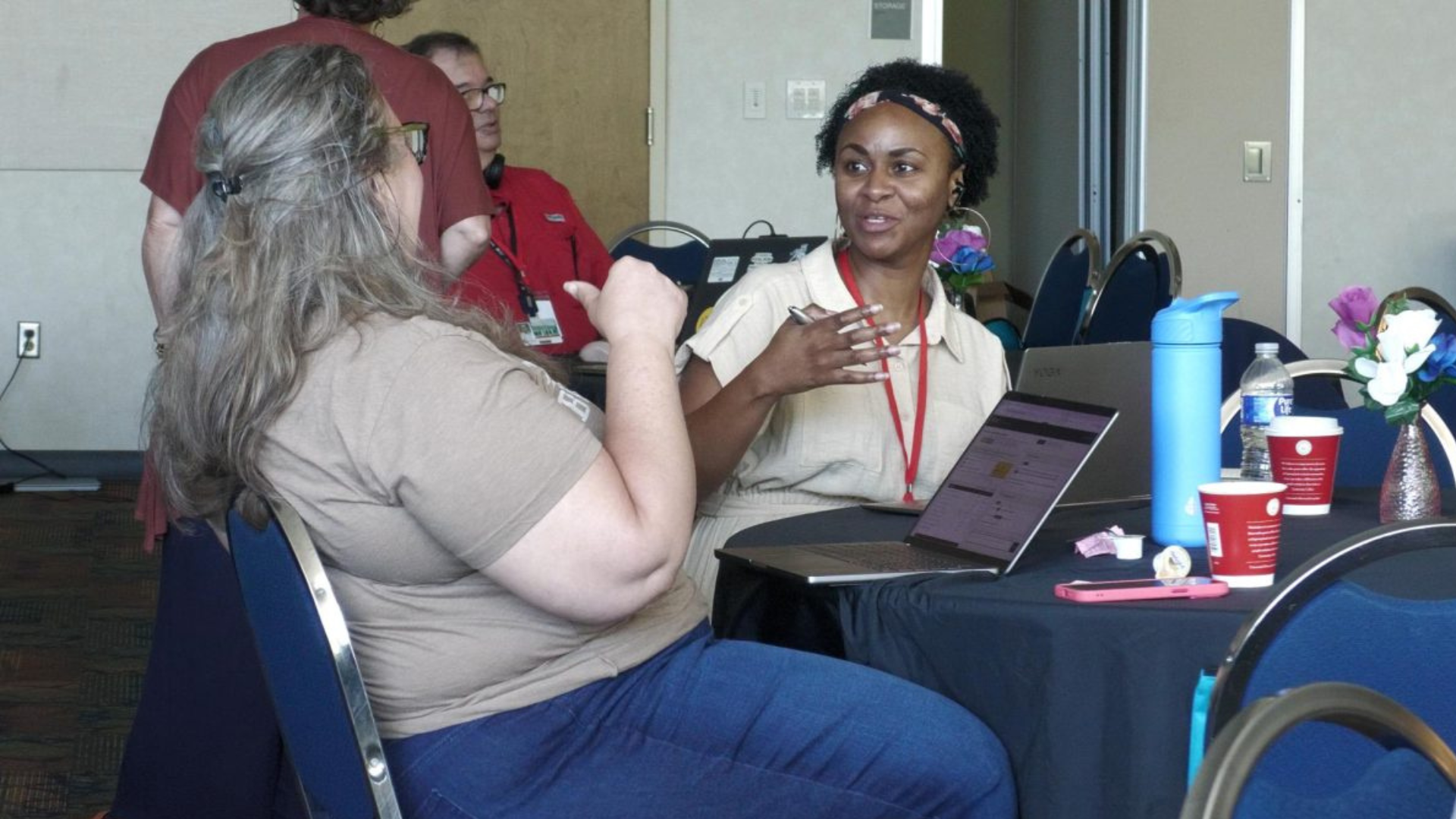
The Mississippi AI Collaborative, a partnership that includes Bean Path, Mississippi Coding Academies, Jackson State University and the Mississippi chapter of the Computer Science Teachers Association, hosted the Southern Spark Conference on June 11 to bring together educators, business leaders and policymakers interested in expanding AI education and workforce development across Mississippi.

Krystal Chatman, co-founder of the collaborative, said the group was formed to combine resources and expertise and expand AI education across Mississippi.
“Instead of trying to tackle AI education solo, we decided to work together and use each other’s resources, ideas and expertise to build what is now the Mississippi AI Collaborative,” she said.
Conference organizers and participants highlighted AI’s growing role in education and its potential to support student learning.
Jeffery Gonzales, a cyber range engineer at Mississippi State University, said AI has already simplified processes within information technology and cybersecurity training.

His observations reflect broader trends in education. A 2025 University of Melbourne and KPMG study of more than 48,000 people across 47 countries found that 83% of students regularly use AI in their studies, reporting benefits such as greater efficiency, personalized learning and reduced workload and stress.
Gonzales said AI can help educators meet the needs of modern students who increasingly engage with technology in their daily lives.
“AI will certainly help the educational process because we have a different kind of student nowadays,” he said. “Their attention spans and bandwidth are really small, but they’re learning technology.”
Organizers said making AI accessible to all Mississippians remains a primary goal. Chatman said broader access to AI
education can help residents use the technology responsibly and share those skills within their communities.
“We want to make sure this technology is accessible to everyone … so there are more opportunities for people to not only learn about it, but become builders and critical users,” Chatman said.
She said AI initiatives should focus on community needs and helping residents understand how the technology can be used effectively.
Gonzales said expanding AI education and technology opportunities could help address Mississippi’s long-standing challenge of retaining talented graduates and skilled workers.
“Mississippi has a lot of talented people, and they usually leave after graduation, but we want to keep them here to help build our state,” Gonzales said.

He credited state leaders with supporting AI education and workforce development efforts.
While concerns remain about AI’s impact on jobs, Gonzales said the technology should be viewed as a tool that helps workers complete tasks more efficiently rather than replacing them entirely.
“It’s changing not only the way products are delivered, but the way people work in their daily lives,” Gonzales said. “People should not be afraid of it. They should embrace it and learn it.”
Click here to view the original article by RHCJC.